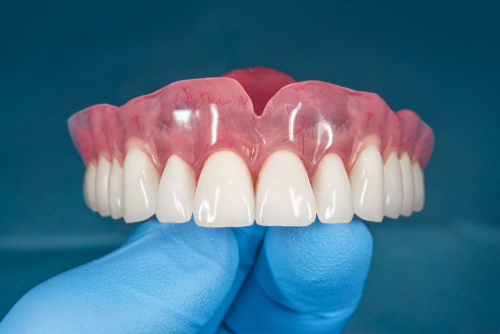
Millions of people around the world suffer from a very similar problem and is a fact that losing a tooth is something common, especially in adults, however, this will leave an empty space in your mouth which can cause multiple problems like the risk of infection or tooth decay in your other healthy teeth or losing the confidence of making public speeches or conversations due to a broken smile that is only showing pieces of damaged teeth, for that reason, you can take advantage of the next level of dental implant that receives the name of bridges, but what are they and how do they work in a combination of dental implants and crowns? Stay tuned to learn more. 
What are Bridges and how do They Work with Implants and Crowns?
Dental bridges are basically fake teeth that will be held by the aid of natural teeth of the proximity where you want to receive the bridge implanted, however, this procedure is often used when you want to replace missing teeth that are surrounded with other teeth that were operated in the past and they have a dental implant or crown in that space. In simple words, imagine three teeth, two of them will be held by their traditional titanium cylinder or crown and the one in the middle will be supported by nothing that the sides of the previous teeth, which is in fact, the fundament of bridges, which are resisted by two points and a road, for that reason it receives that particular name.
Types of Dental Bridges:
First, we have the traditional one that is based on false teeth or teeth that will be held by dental crowns that will be located on both sides of the middle fake teeth as the main support for the bridge. This traditional bridge is the most popular option by far because it counts with a lot of opportunities for millions of people, the requirements will be having 2 natural teeth, and between those two you can be suitable for a bridge without a problem at all.
The next options will be more of a mix between fake and natural because the next type which is the Cantilever bridge requires at least one natural tooth and a dental crown in the other tooth to make proper support for the middle of the bridge without doing any extra procedures with the purpose of maintaining the balance.
Finally, the Maryland bridge will be based on nothing less than two natural or abutment teeth with the major difference that a metallic framework will be supporting the bridge from behind the abutment teeth to avoid causing problems while eating or chewing food, it’s not the most popular type of bridge but it works perfectly well so it’s just another opportunity.
Benefits of Dental Bridges:
- They will help you restore your self-esteem and confidence while talking in public or with strangers.
- You will be able to chew or eat easily thanks to the bridge.
- It’s not required to have two crowns or two natural teeth thanks to the multiple types of bridges that exist, the decision it’s up to you.
- Your pronunciation and capacity to speak properly will be regained.